-
Sami
- March 4, 2026
Training harder does not always mean training better. Many athletes and fitness enthusiasts push their limits every day, hoping for faster results. What often gets overlooked is safety. Without the right sports training methods, progress slows down and injuries become more likely.
Safe training is not about doing less. It is about doing things right. When training routines are well planned and balanced, athletic performance improves steadily. Strength development becomes sustainable. The body adapts without breaking down.
This guide explains practical sports training methods that help you perform better while protecting your body in the long run.
Understanding Sports Training Methods
Sports training methods are structured approaches used to improve strength, endurance, speed, and overall performance. These methods guide how often you train, how hard you push, and how your body recovers.Well-designed methods focus on gradual improvement. They respect the body’s limits and allow time for adaptation. Poor methods rely on excessive intensity and ignore recovery, which leads to burnout.
Coaches and sports scientists agree on one thing. Consistency beats intensity when safety and long-term results are the goal.
Core Principles of Safe and Effective Training
Every effective training plan follows a few basic principles. These principles protect your body and support steady progress.
Progressive Overload Without Overtraining
Progressive overload means slowly increasing the demands placed on your body. This could be more weight, more repetitions, or slightly longer sessions.Problems arise when overload happens too fast. Sudden increases strain muscles and joints. Safe training methods emphasize small, controlled changes over time.
Proper Technique and Movement Quality
Good technique is the foundation of safe training. Lifting heavier weights or moving faster with poor form increases injury risk.
Focusing on movement quality builds stronger muscles and healthier joints. Many experts recommend mastering form before increasing intensity. This approach supports better athletic performance over time.
Recovery as Part of Training Routines
Recovery is not a break from training. It is part of the process. Muscles repair and grow during rest, not during workouts.Balanced training routines include rest days, lighter sessions, and proper sleep. Athletes who recover well perform better and stay consistent.
Sports Training Methods for Strength Development
Strength development plays a key role in most sports. Stronger muscles support better movement, stability, and power.
-
Resistance Training for All Levels
Resistance training helps build muscle strength and bone density. It can be done using weights, resistance bands, or machines.Safe resistance training starts with manageable loads. Gradual progression allows muscles to adapt. Strength gains come faster when the body feels supported, not overwhelmed.
-
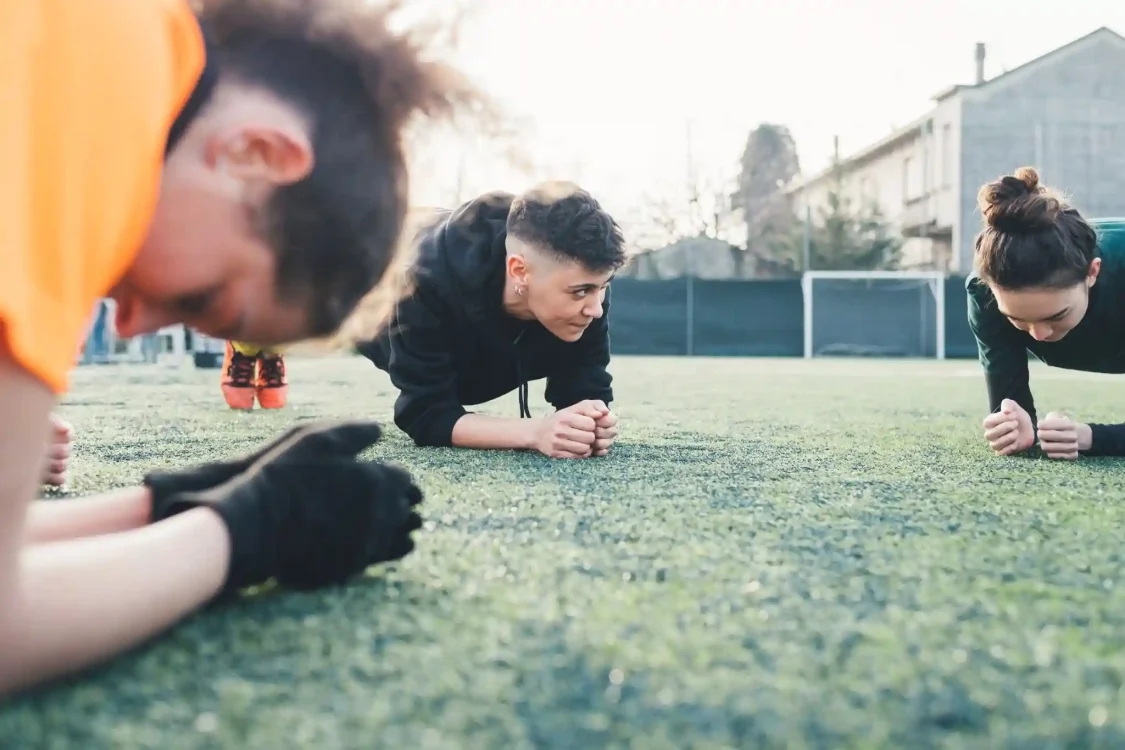
Bodyweight Training for Functional Strength
Bodyweight exercises improve balance, coordination, and core strength. They train muscles to work together rather than in isolation.
This method is especially useful for beginners or those recovering from injuries. It supports joint health while still promoting strength development.
-
Sport-Specific Strength Training
Different sports place different demands on the body. A runner needs different strength training than a football player.Sport-specific training focuses on movements that match the demands of your sport. This improves performance and reduces injury risk caused by imbalanced training.
Training Routines That Enhance Athletic Performance
Training routines organize your workouts into a structured plan. A good routine balances intensity, volume, and frequency.Training too often without variation leads to fatigue. Training too little limits progress. Effective routines include challenging days, lighter days, and recovery periods.
Adjusting routines based on experience level is important. Beginners need more recovery. Advanced athletes need careful load management to avoid overtraining.
Endurance and Conditioning Training Methods
Endurance supports sustained performance across many sports. Conditioning improves the body’s ability to handle physical stress.
-
Aerobic Conditioning for a Strong Base
Aerobic training builds cardiovascular endurance. It supports heart health and improves recovery between intense efforts.Low to moderate intensity activities performed consistently create a strong performance base. This method is safe and suitable for most fitness levels.
-
Interval Training With Controlled Intensity
Interval training alternates periods of effort with rest. It improves speed, stamina, and efficiency.
Safety comes from control. Short intervals and proper recovery reduce strain. Beginners should start slowly and build intensity over time.
Mobility and Flexibility in Sports Training
Mobility allows joints to move through their full range of motion. Flexibility refers to muscle length. Both are important for safe movement.Limited mobility increases injury risk. It also restricts strength development. Including mobility work in training routines improves movement quality and reduces strain.
Experts suggest focusing on mobility before workouts and gentle stretching afterward.
Mental Training for Better Performance
Athletic performance is not only physical. Mental focus plays a major role.
Stress, distraction, and lack of motivation affect training quality. Mental training methods such as goal setting and visualization improve consistency.Calm focus supports safer movement and better decision-making during training and competition.
Common Training Mistakes That Limit Progress
Many injuries and plateaus come from simple mistakes.
Overtraining without recovery leads to chronic fatigue. Skipping warm-ups increases injury risk. Following generic training routines that do not match your goals creates imbalance.
Another common mistake is comparing your progress to others. Safe sports training methods focus on individual needs and realistic timelines.
Choosing the Right Sports Training Methods
The best training method depends on your goals, fitness level, and sport. Beginners benefit from simple routines and basic strength work. Experienced athletes need structured progression and careful recovery planning.
Listening to your body matters. Pain, extreme fatigue, or loss of motivation are signs that adjustments are needed.Seeking professional guidance can help refine training routines and prevent costly mistakes.
Final Thoughts on Training Safely
Improving athletic performance does not require pushing your body to the edge every day. Smart sports training methods prioritize safety, consistency, and long-term progress.When training routines are balanced and strength development is gradual, results follow naturally. Safe training builds confidence, resilience, and lasting performance.Train with purpose. Recover with intention. Progress will come.
FAQs
What are the safest sports training methods for beginners?
Beginners benefit from low-impact exercises, bodyweight training, and simple resistance work. Focusing on proper form, gradual progression, and rest helps build a strong foundation while reducing injury risk.
How often should training routines be adjusted?
Training routines should be reviewed every four to six weeks. Adjustments depend on progress, fatigue levels, and goals. Small changes help maintain improvement without overwhelming the body.
Can strength development improve performance in all sports?
Yes. Strength supports better movement, stability, and power across most sports. When developed safely, it enhances athletic performance and reduces injury risk.
How does recovery affect training results?
Recovery allows muscles to repair and grow. Without proper recovery, performance declines and injury risk increases. Rest is essential for long-term progress.
Are sports training methods different for endurance athletes?
Endurance athletes focus more on aerobic conditioning and workload management. However, strength and recovery remain important for balanced and safe performance.