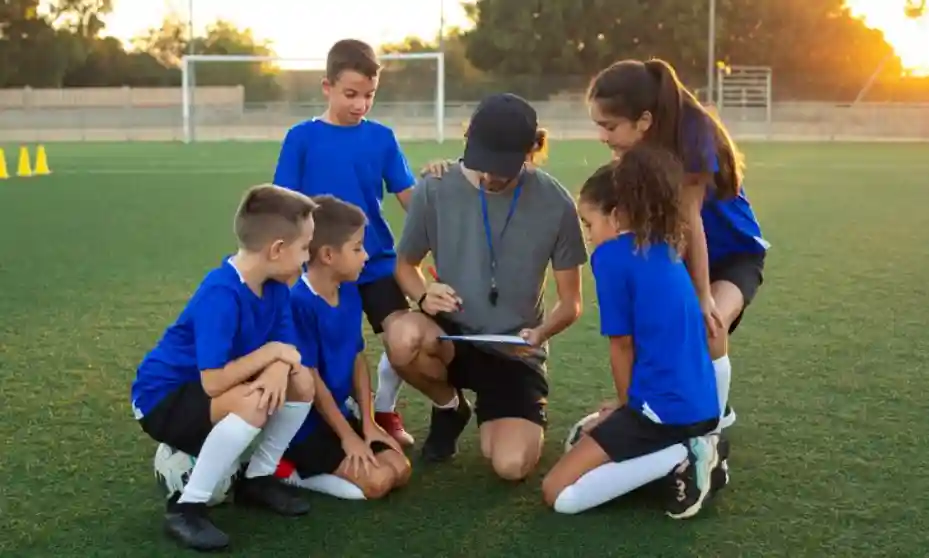
A child’s journey in sports can be exciting, but it can also be challenging for parents who are trying to balance school, training, and personal development. A well-structured student athlete program plays an important role in making this journey smoother. It connects education and sports in a balanced way and helps parents better understand how to support their child both on and off the field. These programs are designed to guide young athletes in building discipline, improving performance, and maintaining academic success at the same time.
Understanding the Role of Student Athlete Programs
A student athlete program is designed to support young players who are actively involved in sports while continuing their education. These programs create a structured system where training schedules and academic responsibilities work together instead of conflicting. For parents, this brings clarity and peace of mind because they can see that their child is not forced to choose between school and sports.
These programs often include guidance from coaches, academic advisors, and sports mentors. This team approach helps parents feel more involved and informed about their child’s progress in both academics and athletics.
Helping Parents Stay Organized and Involved
One of the biggest challenges for parents is managing time between school work, practice sessions, and competitions. A student athlete program helps reduce this stress by providing a clear routine. Parents receive schedules and updates that allow them to plan better and support their child without confusion.
It also encourages regular communication between parents and program staff. This means parents are not left guessing about their child’s performance or progress. Instead, they are actively involved in decision-making and can help guide their child more effectively through challenges.
Supporting the Child’s Physical and Mental Growth
Sports can be physically demanding and mentally stressful for young athletes. A well-designed student athlete program focuses not only on training but also on overall well-being. This includes helping athletes manage pressure, stay motivated, and build confidence.
For parents, this is very helpful because they can better understand how to support their child emotionally. They learn when to encourage rest, when to push for improvement, and how to handle wins and losses in a healthy way. This balanced support helps the child grow into a stronger and more confident individual.
Building Discipline and Long-Term Success
Discipline is one of the most important outcomes of participating in a student athlete program. Children learn how to manage their time, follow routines, and stay committed to their goals. Parents play a key role in reinforcing these habits at home.
Over time, this discipline does not only improve sports performance but also benefits academic results and future career opportunities. Parents who are part of this journey can see long-term development in their child’s behavior, responsibility, and decision-making skills.
Conclusion
A student athlete program is more than just a system for sports training; it is a complete support structure for both children and parents. It helps families stay organized, informed, and involved in the child’s growth. By balancing education, sports, and personal development, these programs make it easier for parents to guide their child’s sports journey in a positive and effective way.